
LEGEND: TOKUGAWA TREASURE
By Adam 'Grey' Cochrane
OVERVIEW
1868 saw the end of the Tokugawa Shogunate which had ruled over Japan for over 200 years known as the Edo period. Legend says that it was towards the end of this when the Shogunate foresaw their end at the hands of the new Meiji government and ordered six large chests of gold to be buried in the mountains of the Gunma Prefecture. All those that helped transport and dig the hole for the gold were killed and buried with it.
Sometime later the officer in charge of the operation after being executed had it stated in his will that a document should be sent to his grandson. This document contained directions and information on the treasures location at Mount Akagi. Since then generations of the family have been searching the mountains for the elusive gold.
THE LEGEND
During the period between 1603 and 1868 a feudal military government known as the Edo Shogunate or The Tokugawa Shogunate ruled over Japan.
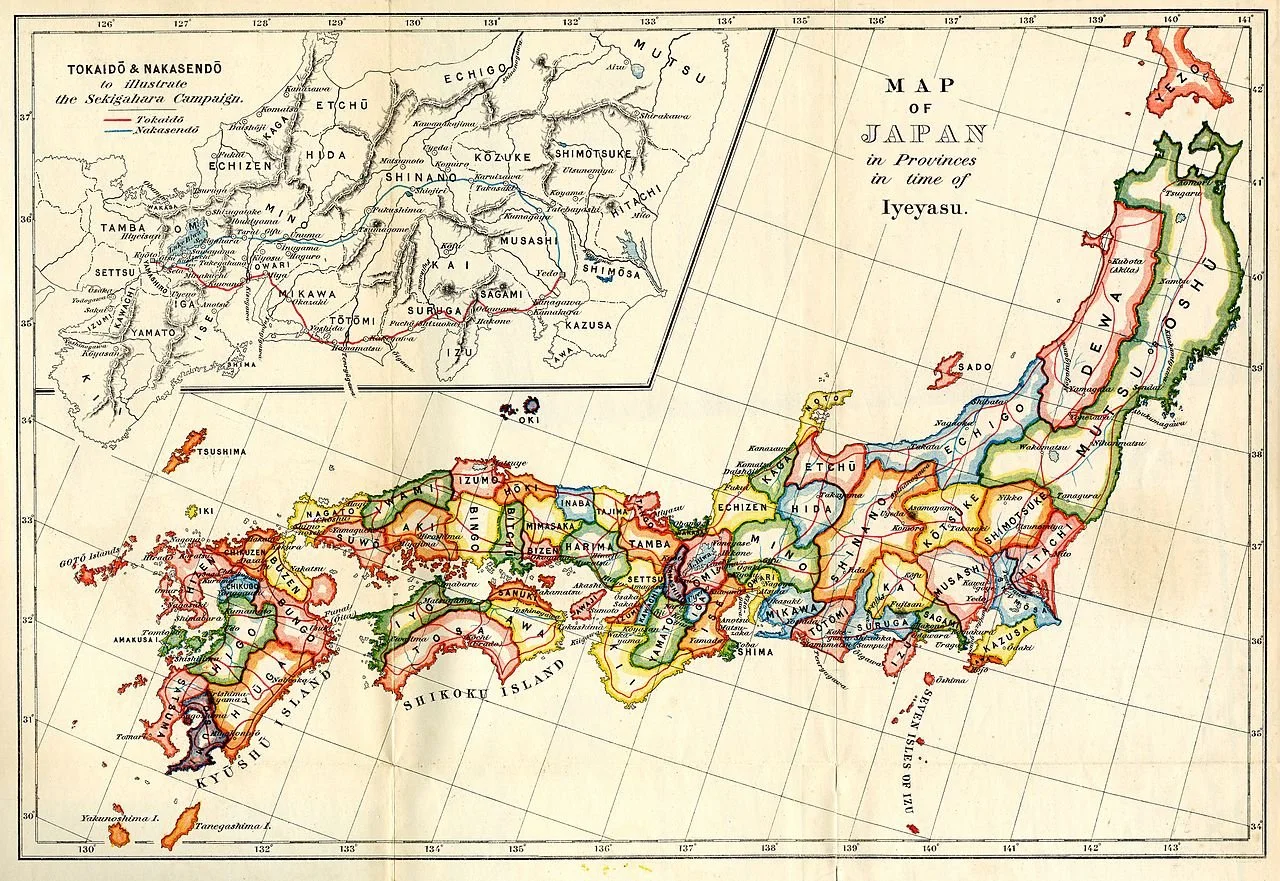
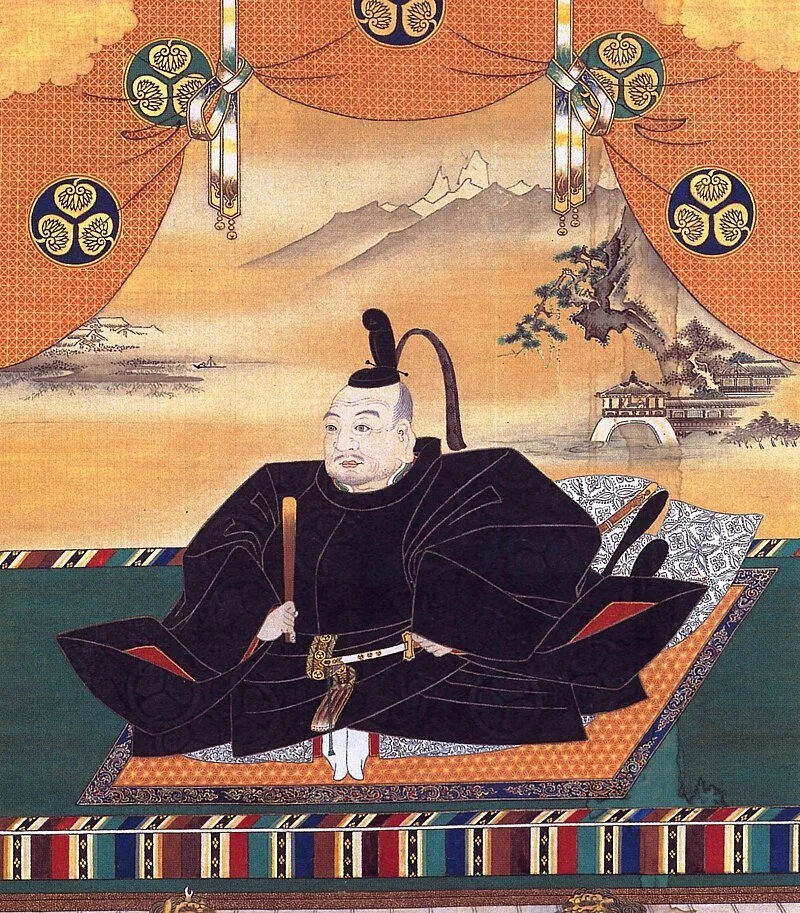
The Shogunate government was established in 1603 following the victory of the Battle of Sekigahara by Tokugawa Leyasu, one of the three “Great Unifiers” of Japan along with Toyotomi Hideyoshi and Oda Nabunaga. The Tokugawa clan housed their government at Edo Castle which today is a part of the Tokyo Imperial Palace from where they ruled over Japan along with the Daimyo, Lords of the Samurai.
The Shogunate of Tokugawa saw most of its wealth come from the 40% income tax charged to its residents. Additionally they would also leverage merchants for loans as a forced “donation”. Bogyo or Commissioners would be placed in charge of the safe keeping of the Shogunates finances, monasteries, and shrines.
The Kura Bugyo in particular managed those of Tokugawa’s domains which had incomes over 10,000 Koku. This would have included major cities such as Nagasaki and Osaka, as well as mines like that of the Sado Gold Mine.
THE TREASURE
The period between 1853 and 1867 saw the decline and eventual end of the Tokugawa Shogunate which began when Japan ended Sakoku, its isolationist foreign policy which modernized Japan from the feudal shogunate of Tokugawa and ended the Edo period, welcoming in the new Meiji Government and its Empire. This caused a divide in the country between the Shogunate forces and the pro-imperial nationalists called Ishin Shishi.
By 1868 the alliance of the Emperor of Japan and several of the more powerful Daimyo had officially overthrown the shogunate after the Boshin War and the resignation of Tokugawa Yoshinobu, the 15th Tokugawa Shogun.
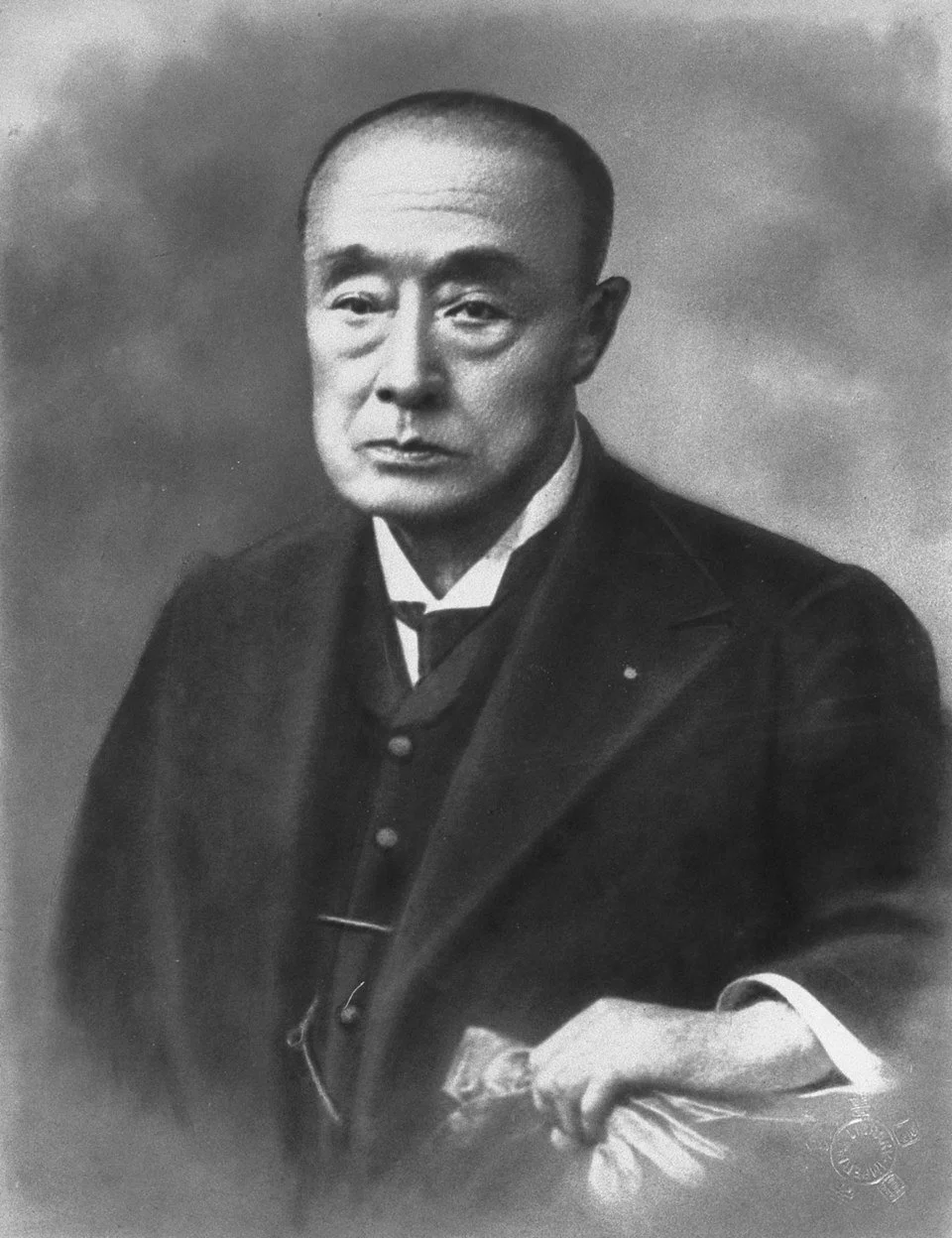
According to legend, Leyasu Tokugawa head of Tokugawa clan buried treasure on Mount Akagi in the Gunma Prefecture. This legend begins with Mizuno Tomoyoshi, the third son of a Tokugawa retainer who in the 1800’s received a letter from Nakajima Kurando, a former neighbour who had worked as an investigator for the financial magistrate and had fought against the imperial forces.
According to the letter Nakajima had helped transport the gold to Mount Haruna from Yamanashi Prefecture in 1868. Upon returning to retrieve the gold some time late the gold had been moved. According to the local financial magistrate the gold had been moved to a more secure location at Mount Akagi on the orders of Oguri.
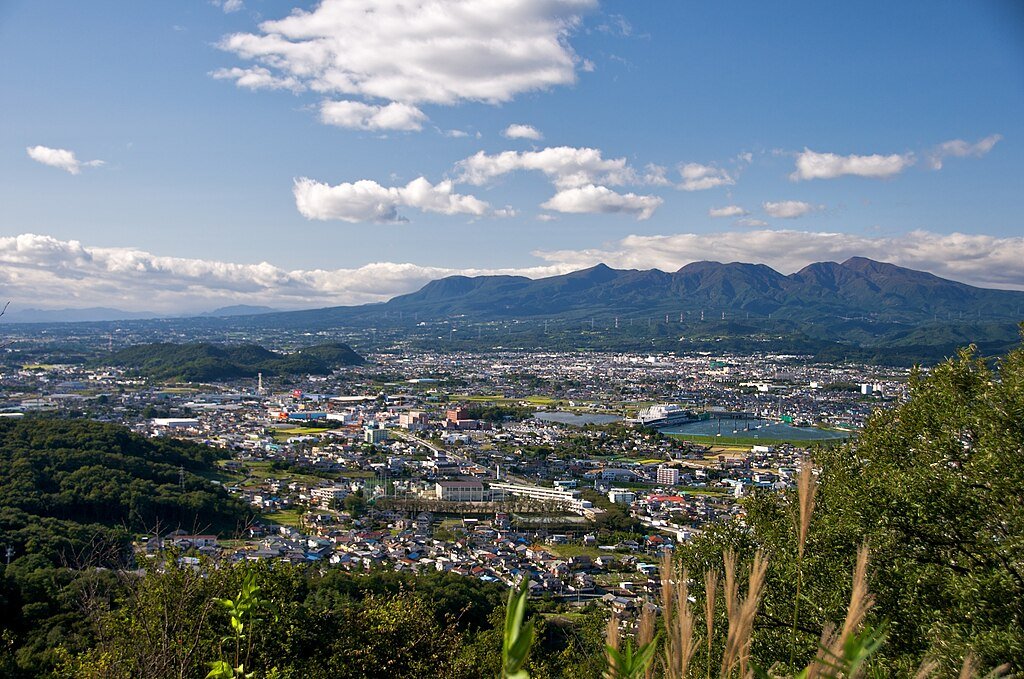
It’s said that when the treasure was buried at Mount Akagi, all who had helped bury the treasure knew of its location including 1500 porters were killed and buried with the gold by the man who led the operation who was a high-ranking official named Kozukenosuke.
Since 1888 three generations of the Mizuno family have been digging around the mountains of Gunma in search of the lost shogunate treasure. To this day Mizuno Tomoyuki still searches the mountains digging pits in hoped of finding the gold.
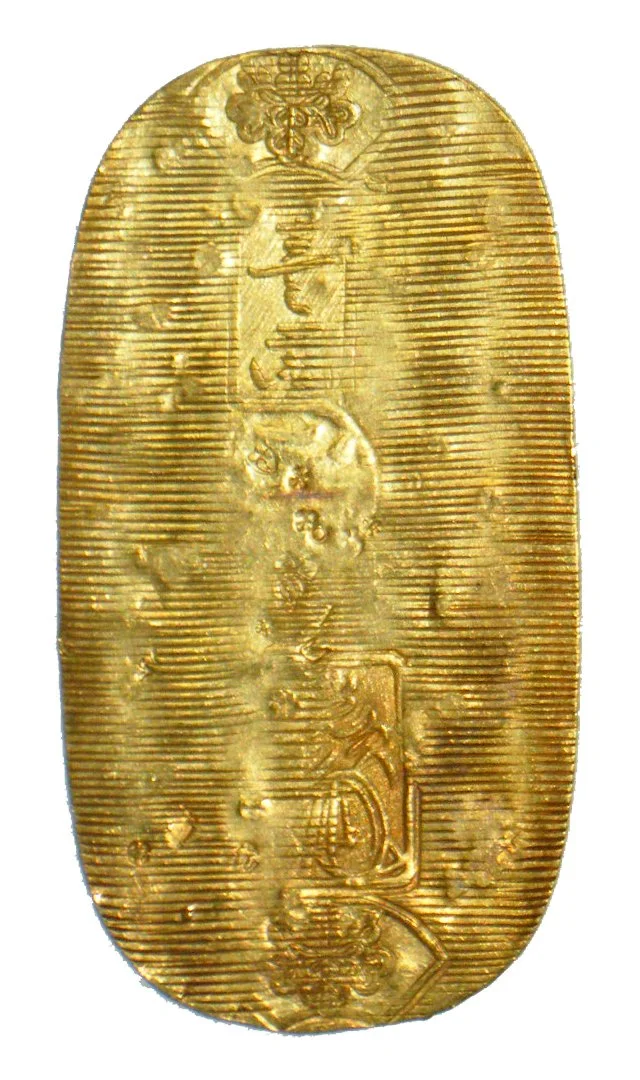
In 1941 it was reported in the New York Times that the treasure buried in the Akagi Mountains was worth £172,500,000, although some sources claim that the treasure is worth 10 trillion Yen.
THE CLUES
When Kozukenosuke was captured and executed he had left vague directions in his will to his grandson, Hidemorl Kawahra who has been searching for the treasure for years. In 1934 he claims he reached a depth of 220 feet where he found human bones and a sword bearing his family crest, along with other evidence to suggest a large excavation and massacre had happened in the area.
These findings gave Hidemorl Kawahra absolute confidence in the treasure’s existence and that he would find the treasure. According to the secret will the treasure would be in six large chests and be found at a depth of 250 feet.
CONCLUSION
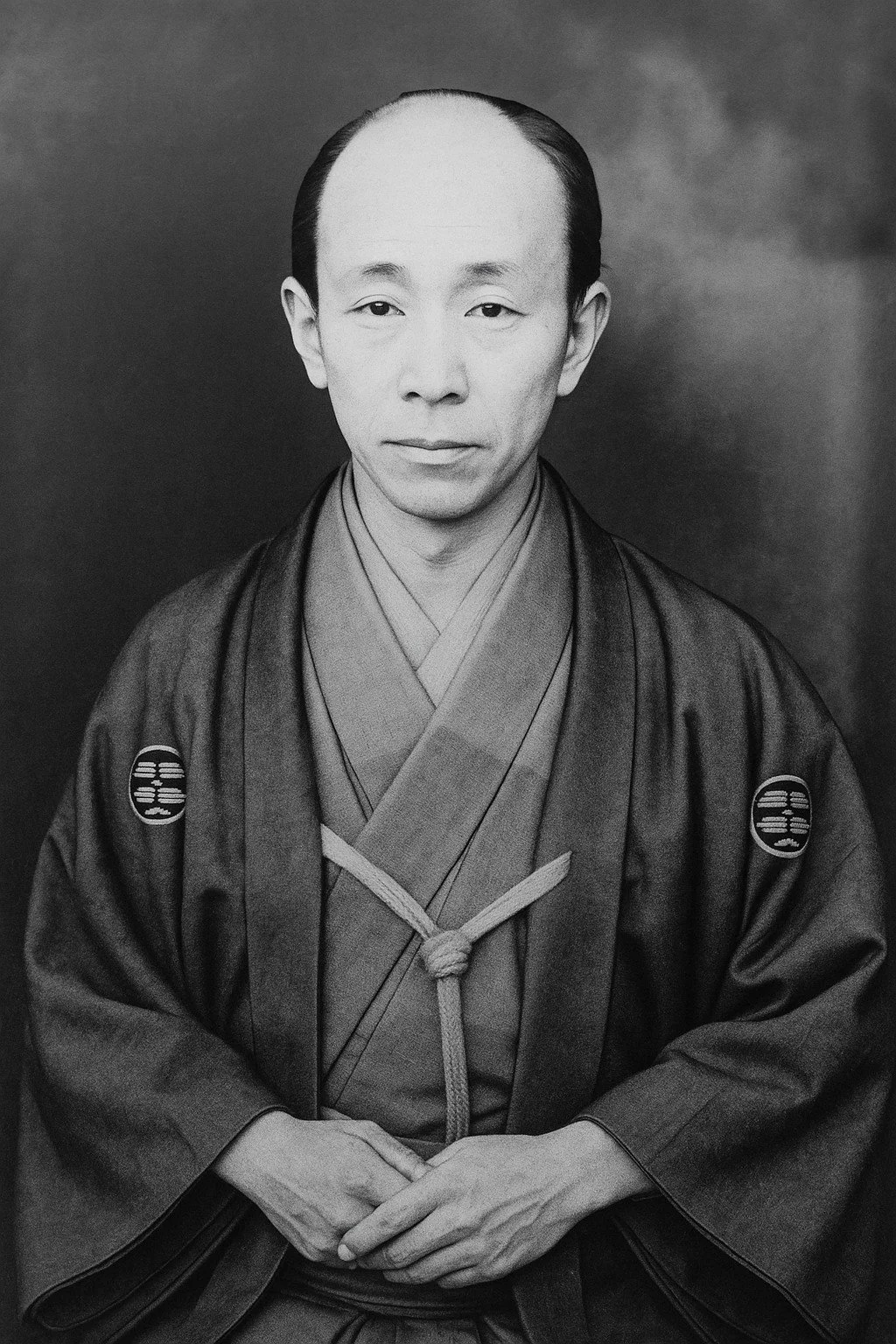
Despite the years spent looking for this treasure, it has never been recovered which leads many to believe it does not exist or if it had existed it was already retrieved long ago before the treasure hunt began for Mizuno Tomoyushi in the 1800’s.
Another treasure legend associated with the Tokugawa shogunate of Japan says that Yoshinao Tokugawa, son of Leyasu had also buried treasure in a well in the main tower of Nagoya Castle. However, when the well was searched after the Meiji restoration the golden coins had all mysteriously disappeared.
-
All photos unless otherwise stated are © Areas Grey Ltd. Unauthorized use is prohibited.
1. Map of Japan in Provinces in time of Iyeyasu - Public domain via Wikimedia Commons
https://commons.wikimedia.org/wiki/File:Map_of_Japan_in_Provinces_in_time_of_Iyeyasu.jpg
2. Portrait of Tokugawa Ieyasu - Public domain via Wikimedia
https://commons.wikimedia.org/wiki/File:Tokugawa_Ieyasu2.JPG
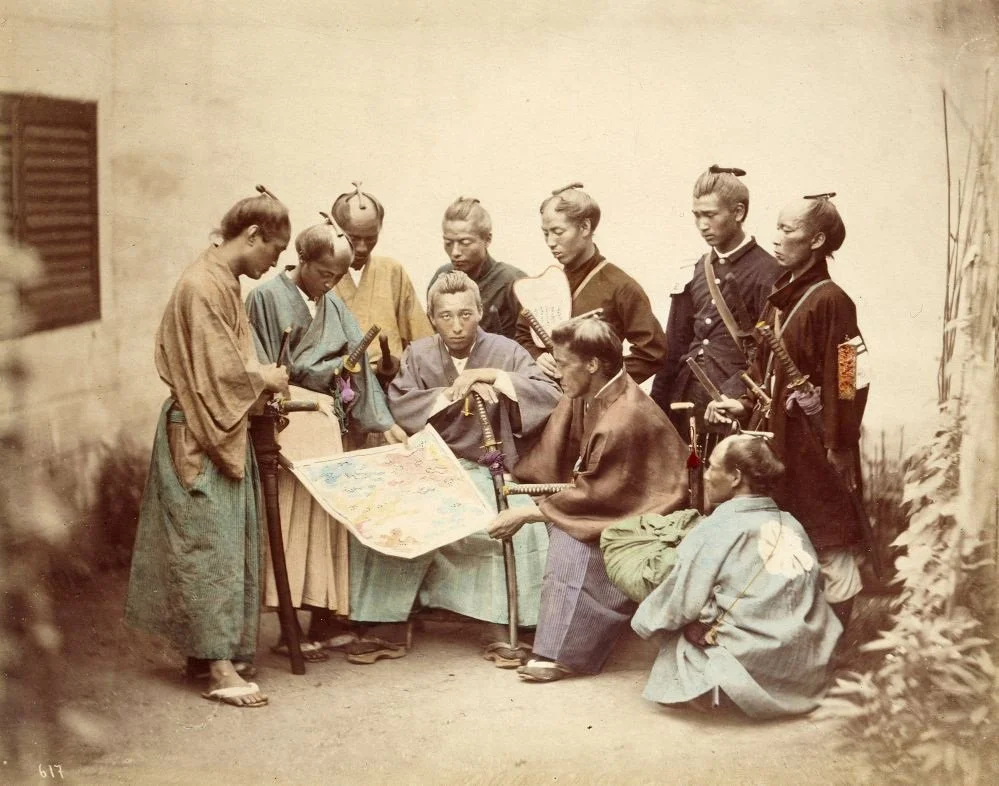
3. Satsuma-samurai-during-boshin-war-period - Public domain via Wikimedia Commons
https://upload.wikimedia.org/wikipedia/commons/5/5c/Satsuma-samurai-during-boshin-war-period.jpg
4. Tokugawa Yoshinobu portrait – Public domain via Wikimedia Commons
https://commons.wikimedia.org/wiki/File:TOKUGAWA_Yoshinobu.jpg
5. Mount Akagi - Public domain via Wikimedia Commons
https://en.m.wikipedia.org/wiki/File:MountAkagi.jpg
6. Keicho-koban - Public domain via Wikimedia Commons

Witten by:
Adam ‘Grey’ Cochrane


