
ISTANBUL: Earthquakes in Constantinoble
By Rob Frey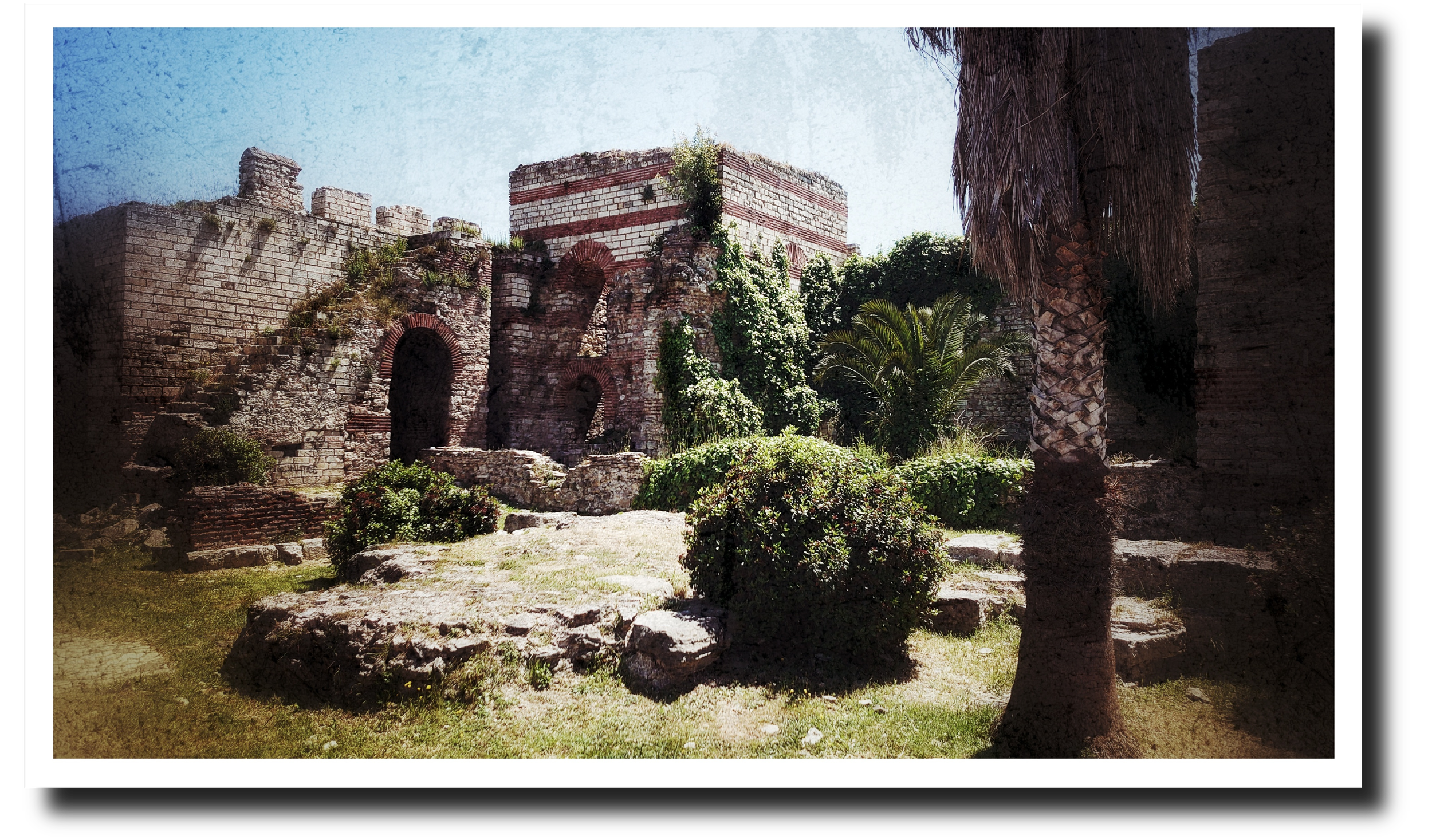
Istanbul Expedition log:
“You will hear it for yourselves and it will surely fill you with wonder.”
-Marco Polo
On 23 April 2025 at 12:49:10 TRT, a Mww 6.2 earthquake struck the Sea of Marmara, 21 km (13 mi) southeast of Marmara Ereğlisi, Tekirdağ Province, Turkey, near Istanbul. At least 359 people were injured and moderate damage was recorded across the Marmara Region. I was sent by Areas Grey to Istanbul to see first hand the damage a natural disaster can have on cultural heritage sites.
I arrived on the night of 30 April, so I couldn't yet see much of the city. I ended up standing in front of a locked hotel. The old men from the café next door kindly called the manager, who let me in. This was my first taste of the Turkish hospitality that would become a theme throughout my trip.
Once inside the hotel, an ancient 16th-century building, I could already see the signs of earthquake damage. In my room, cracks marred the walls, and there were broken panels on the ceiling. Minor though it seemed, the damage underscored the power of the quake and its effects on even well-constructed buildings.
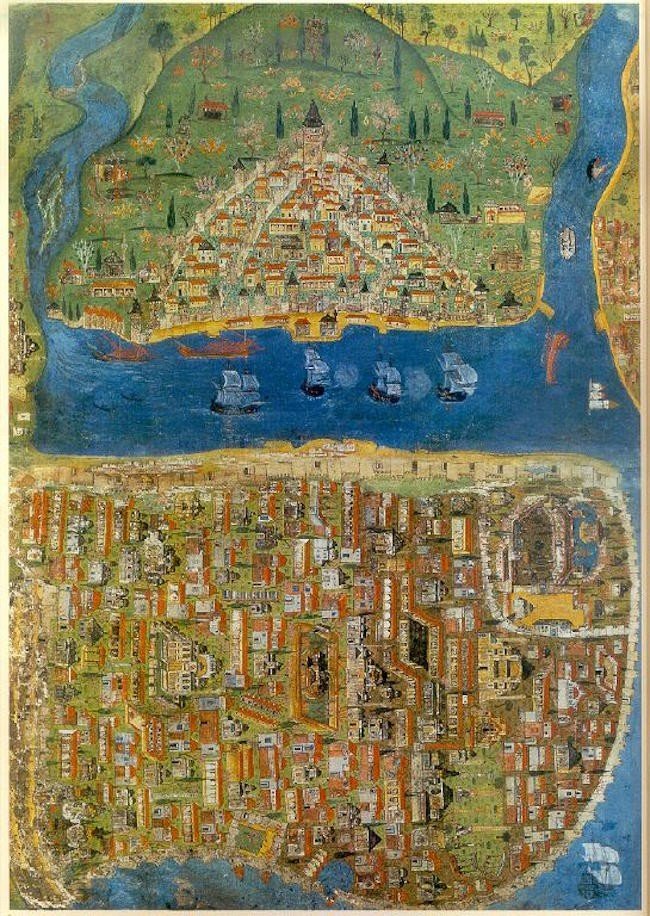
On my first full day in Istanbul, I walked from the Fatih district to the area home to the Hagia Sophia, the Blue Mosque, the Basilica Cistern, and many other historical landmarks. This walk made me realise two things: first, Baklava is Delicious and found myself pausing at every store selling it, just staring at the vast selection, choosing my next target, and second, Istanbul is absolutely bursting with history. Founded as Byzantium in the 7th century BCE by Greek settlers from Megara, it later became Constantinople in 335 CE under Roman Emperor Constantine. The city served as the capital of the Roman, Byzantine, and Ottoman Empires for nearly 1600 years. From Greeks and Romans to Crusaders, Venetians, and Ottomans, Istanbul has seen countless civilizations shape it. While there is evidence of much earlier Neolithic settlements, much of my exploration focused on more recent eras due to the scope of the expedition.
Istanbul's uniqueness doesn't just lie in its rich history but also in its geographical position. Spanning both Europe and Asia, split by the Bosphorus Strait, the city became a crossroads for travelers and traders. The Silk Road passed through Istanbul, and one of my favourite explorers, Marco Polo made multiple stops here, further cementing its legacy as an important cultural hub.
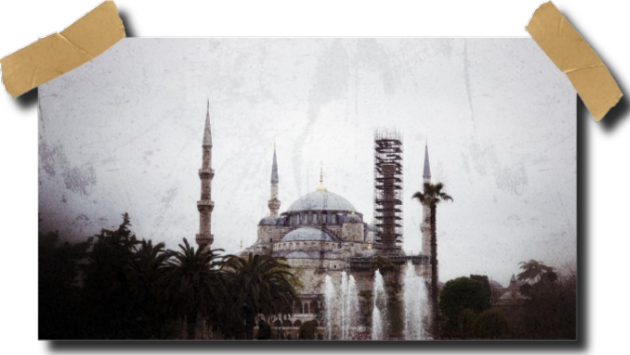
When I reached the Hagia Sophia and the Blue Mosque, I found that restoration work was in full swing. Scaffoldings surrounded some towers, and blocked-off areas indicated that repairs were a priority. I chatted briefly with some guards about the quake’s impact, and they confirmed that tourism is crucial to the city’s economy, making the swift restoration efforts essential. I wasn't allowed to help but hope that in the rush to repair these iconic sites, the historical integrity of the structures wouldn't be compromised. While the construction workers were understandably cautious, given cultural differences and language barriers, it was clear that there was an urgency to get the work done. And to be honest, working with me can be quite annoying, lots of bad jokes, singing of songs with wrong lyrics, and did I mention the attention span of a puppy?
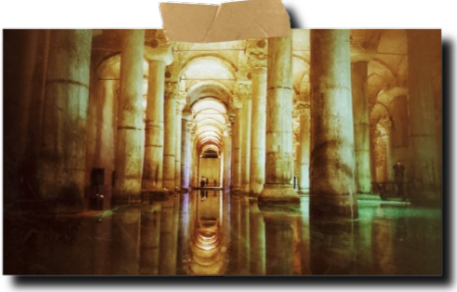
While the visible damage to the major tourist sites seemed manageable, Istanbul has much to offer beyond what’s above ground. So, I descended into the depths of the city and visited the Basilica Cistern, a vast Roman cistern built in the 3rd and 4th centuries. It's a spectacular sight, with towering columns and water reflecting the space to give it an even grander feel. The Romans were meticulous in their craftsmanship, and the cistern’s architecture remains a must-see for anyone interested in historical design.
To my relief, I found no visible earthquake damage here. However, I felt damaged when I saw the modern art installations and a tacky light show chugged among the pillars. While some might enjoy these contemporary touches, as a historian and archaeologist, I felt heartbroken, almost as heartbroken when I saw the prices for all the Baklava I was staring at earlier.
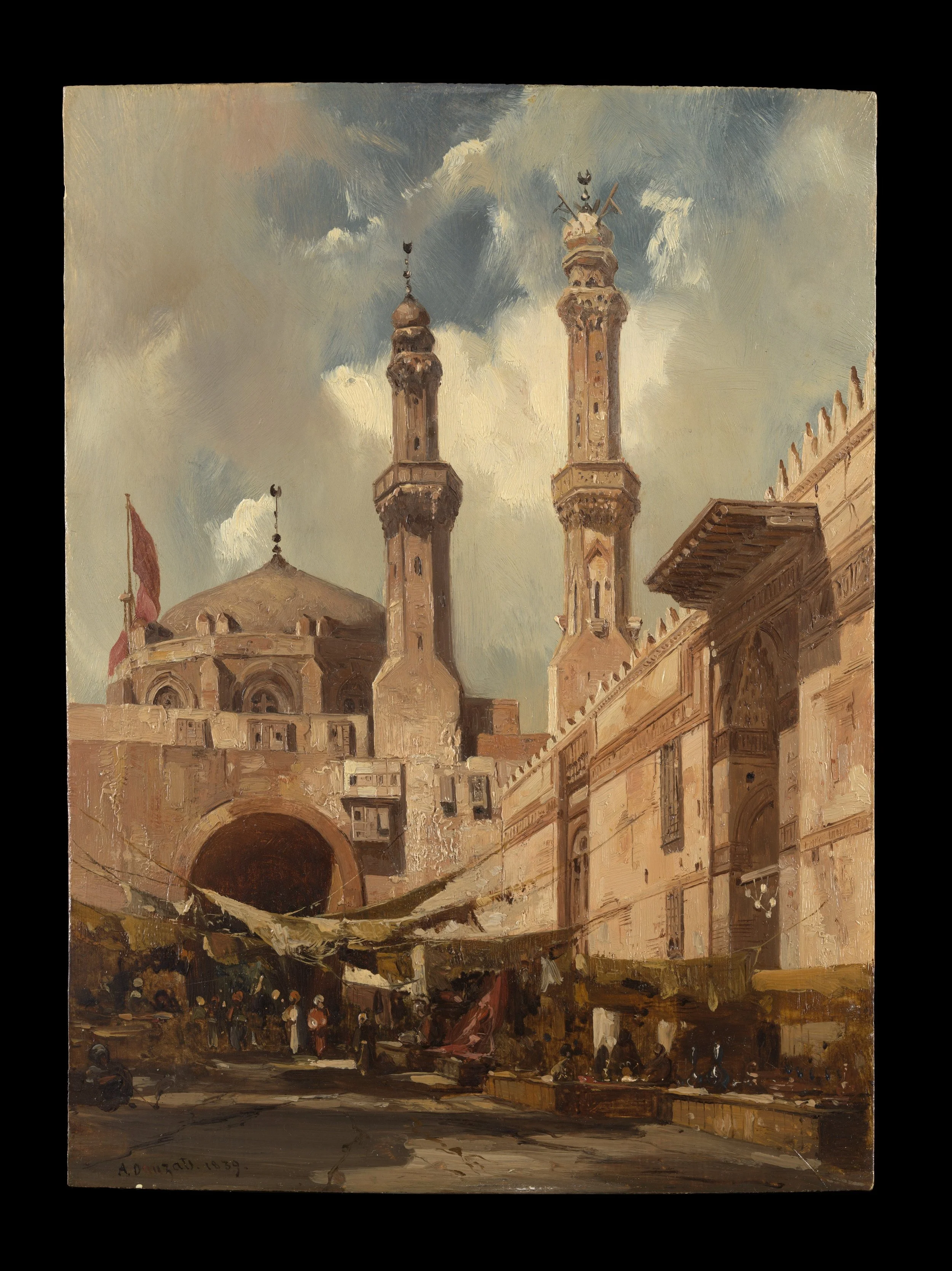
Next on my list was the Archaeological Museum of Istanbul, a short walk from the Topkapı Palace. As I neared the museum, I was shocked to see Roman pillars, Greek sarcophagi, and stunning pieces of medieval architecture discarded on the streets. I felt a wave of frustration but remembered that understanding different cultures requires inquiry. So, I pressed on to the museum. And boy did I hope for a good explanation.
Inside, I was greeted by a vast collection of Greek and Roman statues, but I noticed a glaring absence of artifacts from the full spectrum of Istanbul’s history. There was nothing representing the Byzantine or Neolithic periods, and even some of the statues appeared to have been sourced from other Mediterranean regions, which I found odd. After speaking with a helpful museum staff member, I learned that the museum had undergone minor repairs from earthquake damage, and all artifacts had been safely preserved. A few had toppled, but no permanent harm had been done.
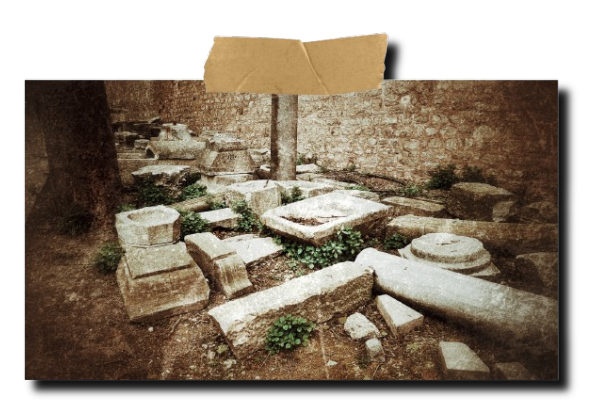
When I asked about the discarded pillars and sarcophagi, the staff member explained that the museum simply lacks the space to store all the historical treasures of Istanbul. Funding for expansion was a constant struggle, especially now with the added costs of earthquake repairs. She shared a fascinating story about the museum’s origins—its founder had discovered a sarcophagus in Libya, and upon bringing it back to Istanbul, there was no space to display it, which led to the creation of the museum. Over time, this became the foundation of Turkish archaeology.
I understood that the museum’s collection is not just about preserving Istanbul’s local history but about bringing the Mediterranean’s vast cultural heritage to Istanbul for a deeper understanding. This museum was less about being a repository of artifacts and more a celebration of archaeology itself. And as an Archaeologist I felt flattered, I even blushed and everything.
However, the wider history of Istanbul isn’t confined to museums or tourist attractions. To truly explore, one has to seek out the hidden corners of the city. And what better way to start than with local legends? I dug into a few tales that were rumored to be true but still shrouded in mystery.
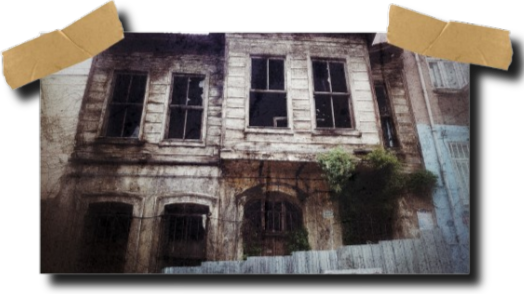
Legend One: The Alchemist’s Laboratory in Balat.
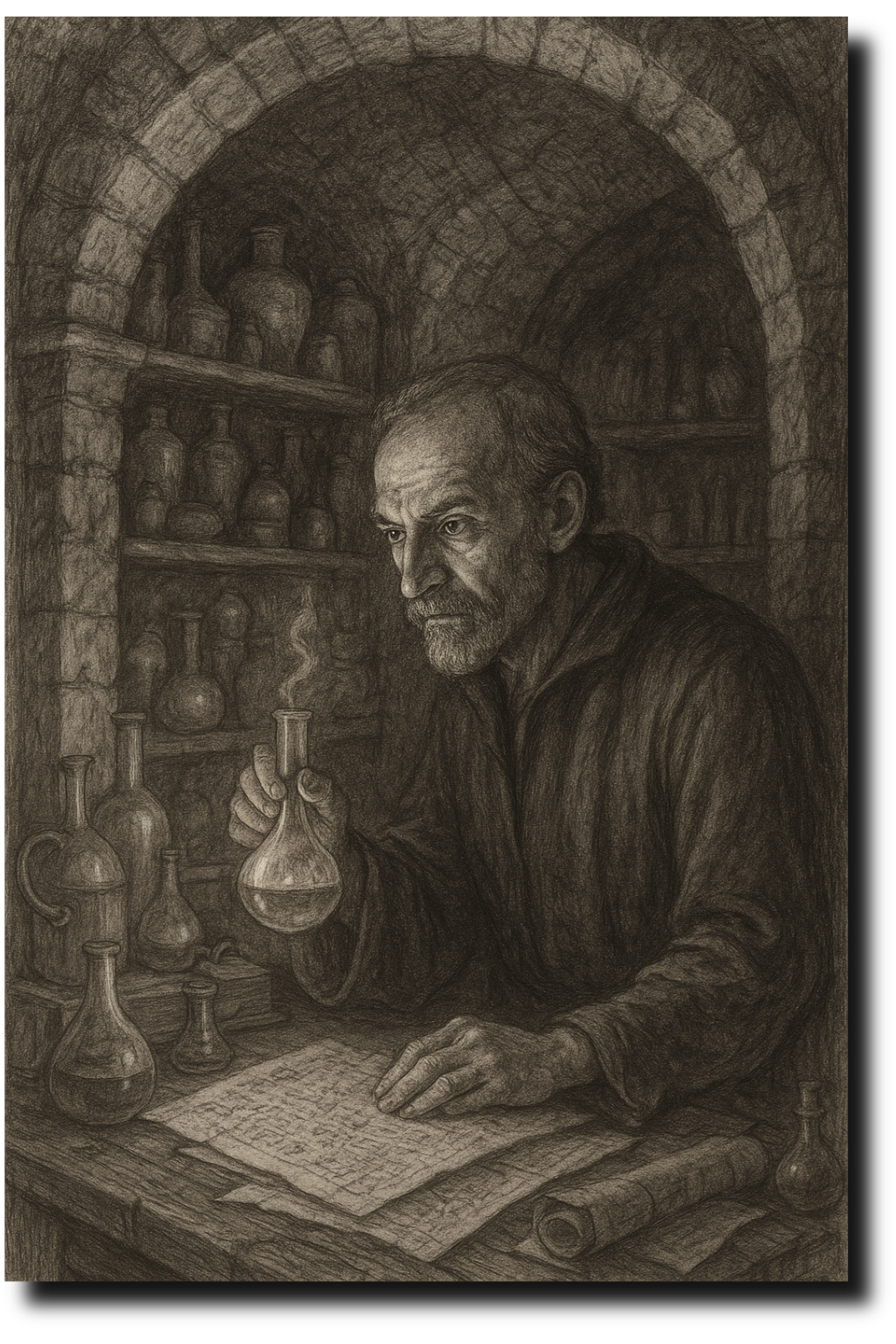
Balat, a historic district, was once home to a rich mix of Greek, Armenian, and Jewish communities. Local lore tells of a 19th-century Greek alchemist whose experiments in his basement laboratory promised to revolutionize science. But the alchemist mysteriously disappeared, and with him, any record of his work.
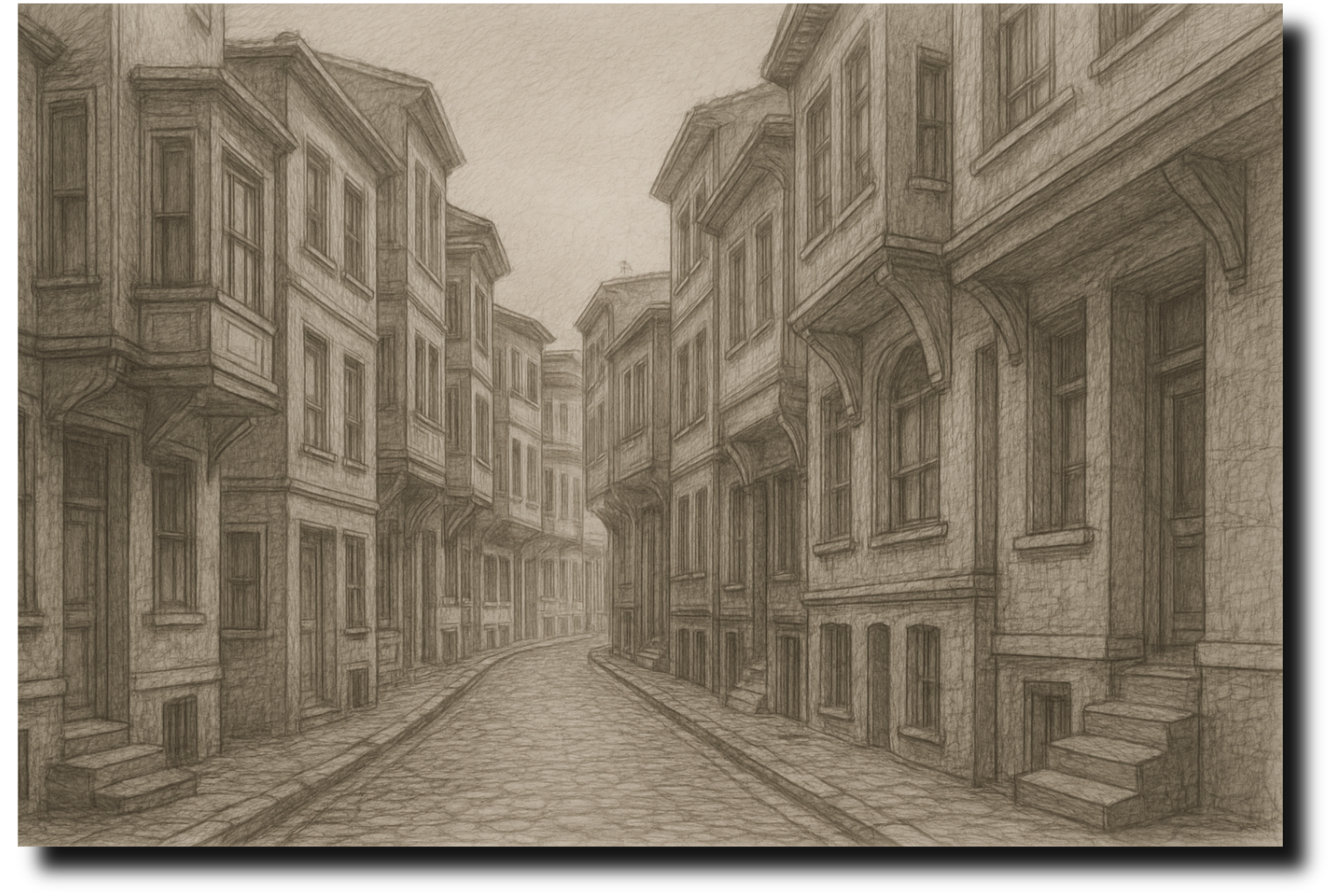
Balat, a historic district in Istanbul, was once home to a diverse community, including Greeks, Armenians, and Jews. Among its winding streets and colorful houses, legends speak of a 19th-century Greek alchemist who conducted mysterious experiments in his basement laboratory. This alchemist, whose name has been lost to history, was said to be on the verge of a groundbreaking discovery when he vanished under mysterious circumstances.
The Hidden Laboratory
The alchemist's house reportedly burned down during a period of unrest, but whispers persist that his laboratory, built with reinforced stone and lead-lined walls, remains intact beneath the ruins. Locals speak of strange symbols etched into nearby stones and unexplained phenomena in the area.
Modern-Day Interest
While no official records confirm the existence of this laboratory, the legend continues to captivate treasure hunters and historians alike. Some believe that the alchemist's notes and experiments could still be hidden underground, waiting to be discovered. And with an earthquake shaking up things, it might be just the thing to look for.
The Search
I did look at a bunch of abandoned buildings but I didn't find many that looked like the time period I am looking for.
One looked quite right but I did see a bunch of men carrying stones out of the basement, so I asked them what they are doing. One guy told me that part of the building collapsed into the basement and they remove the stones to see what the damage was. I thought that this was exactly what I was looking for, so I offered my help. The men were a bit hesitant, but we're convinced when I told them I work as an archaeologist on construction sites. So I helped them, securing the building and removing some stones from the basement and of course did look around for some clues of an alchemist laboratory. I worked with them most of the day, it was a good experience to be able to help and look for history at the same time. The building didn't house any alchemist artefacts but it turned out it was a old administration building from the 1600s.
The Hidden Vault Beneath Zeyrek Mosque
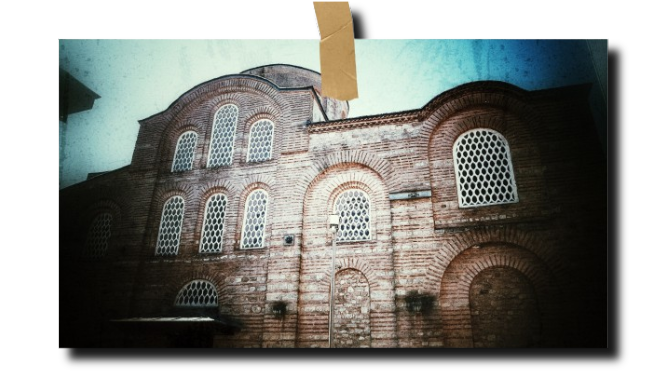
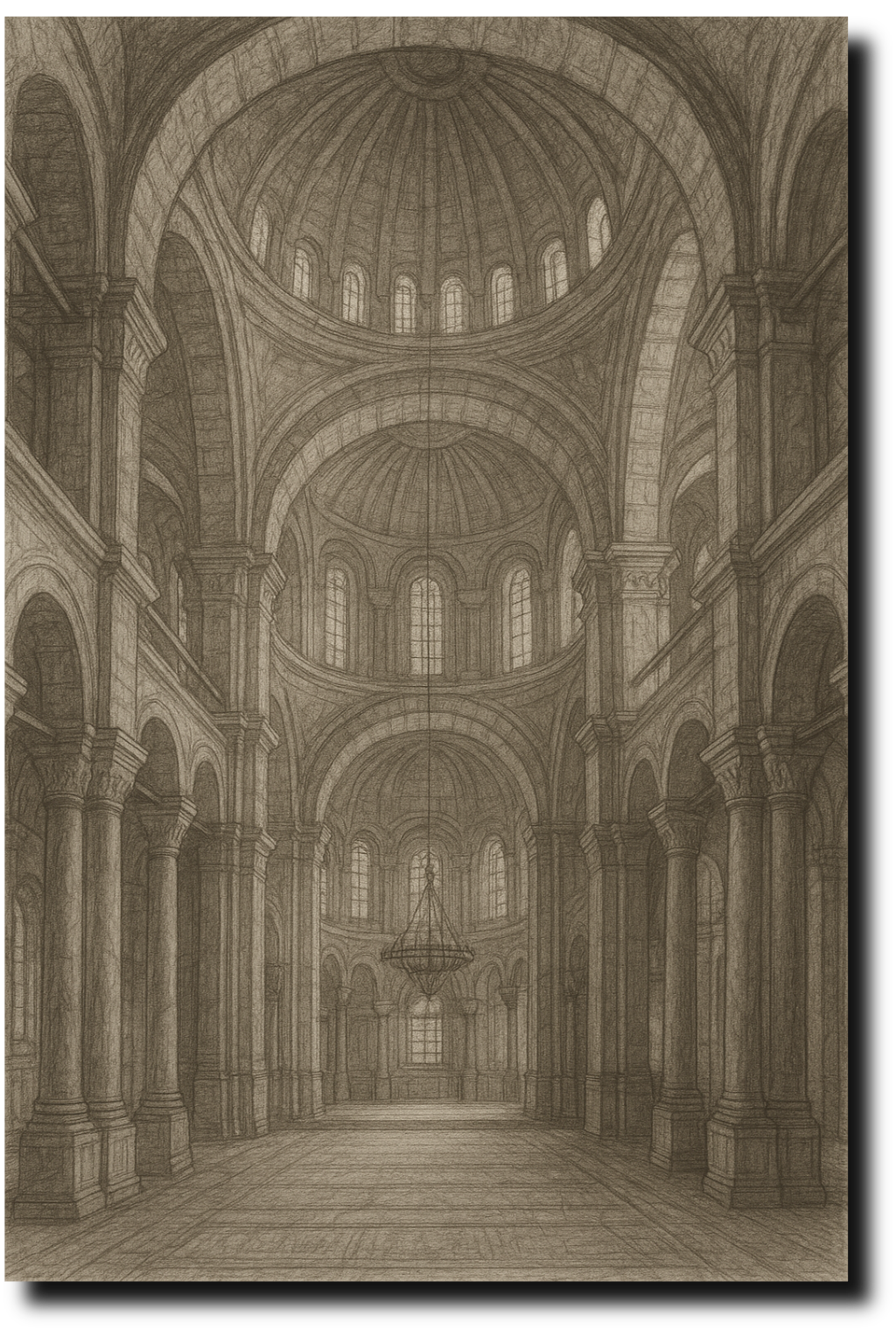
The Zeyrek Mosque, formerly the Monastery of Christ Pantokrator, is a significant Byzantine structure in Istanbul. Built between 1118 and 1136, it was one of the largest religious complexes in Constantinople, comprising two churches and a chapel. The complex served as an imperial mausoleum for the Komnenos and Palaiologos dynasties.
According to local lore, Emperor Manuel I Komnenos commissioned a secret vault beneath the monastery to safeguard treasures and sacred relics from potential invaders. The vault was allegedly sealed with intricate mechanisms and traps to deter looters. Over the centuries, tales have emerged of explorers encountering mysterious sounds and disappearing without a trace while searching for this hidden chamber.
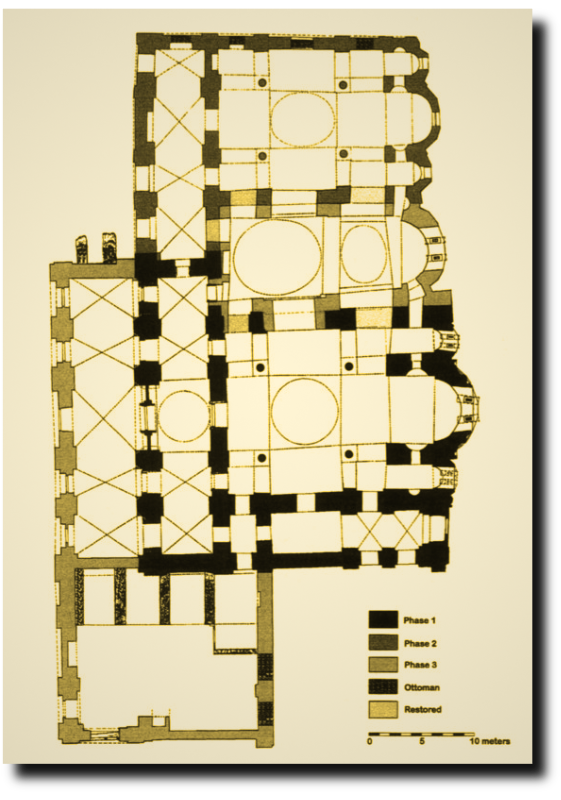
Here are some key locations to consider in your quest:
Zeyrek Mosque (Monastery of Christ Pantokrator): Located at approximately 41.0159° N, 28.9556° E, this is your primary site of interest. The mosque stands as a testament to Byzantine architecture and is central to the legend.
Valens Aqueduct (Bozdoğan Kemeri): Situated nearby at 41.0162° N, 28.9552° E, the aqueduct was a crucial part of Constantinople's water supply system. Its proximity suggests possible underground connections or shared infrastructure with the monastery.
Saraçhane Neighborhood: This area, encompassing both the Zeyrek Mosque and the Valens Aqueduct, is rich in history and could harbor clues or access points related to the legend.
The Search:
I followed the Aqueduct to the Saraçhane Neighborhood, where I checked every nook and crannies I could find on my way closer to the Mosque. There were some bigger holes or doored of entrances that seemed interesting, so I explored a bit more until I came to the Mosque. The Architecture did show the history and the changes of the building quite well. There were walls broken down and built up again in a different fashion, some bases of walls were still visible outside of the building itself, but lead nowhere. I explored the surrounding area and when I found a promising lead I realised I almost walked into an area that was reserved for women to pray, so I decided to maybe let that rest, in the interest of not being culturally inappropriate.
Those two legends I researched but there was something I didn't research and yet I kind of stumbled upon it when I made my way back from the Zeryek Mosque towards the inner city.
When I walked on a level of the city, right under the place of the Blue Mosque and the Hagia Sophia, I saw a bunch of holes and tunnel entrances in the cliff side. It seemed like those tunnels would lead directly into the Basement of the Mosque and the Hagia Sophia. But thy were in the middle of the cliff so no way to get there without proper gear.
I would have needed some serious climbing and spelunking gear to get into those tunnels. Well that is a big aspect of Expeditions. You will always find something that makes you say “I'll have to come back for that!”
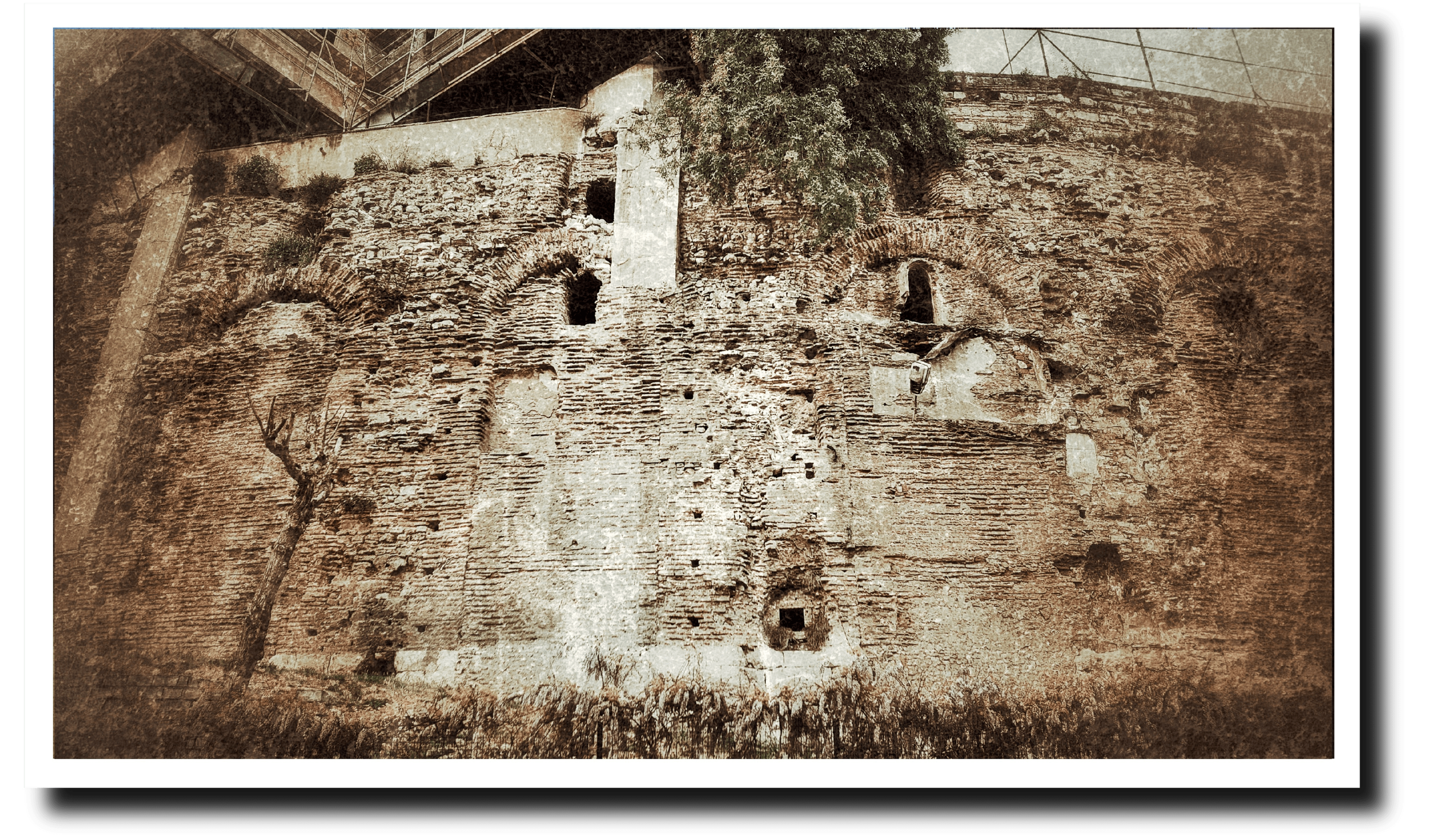
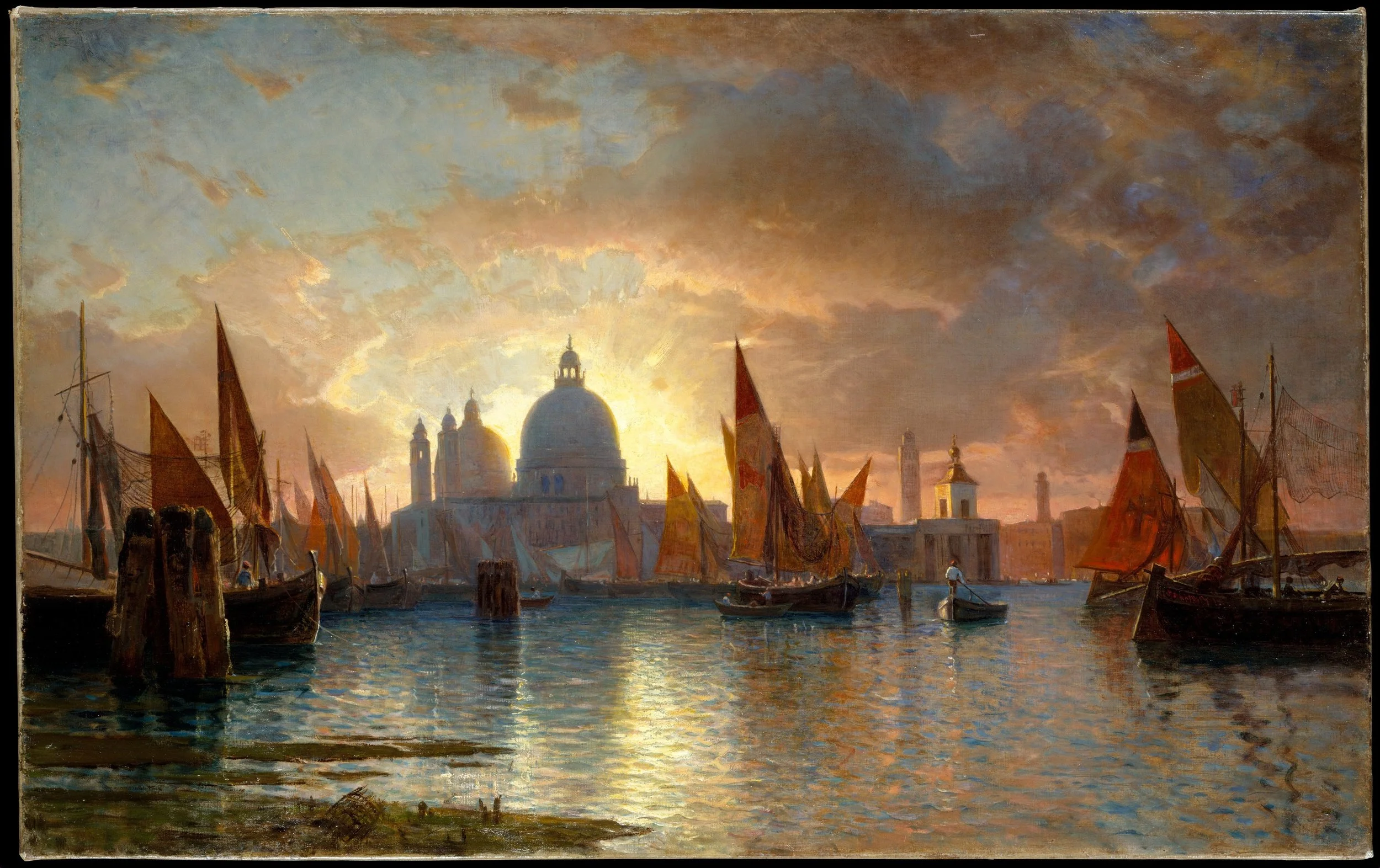
Something else I didn't expect to find while I was exploring the city. I was heading towards the waterfront on my last day to see some ruins of the Byzantine empire. The coast was beautiful, there were some few dozen fishermen catching their dinner in the sundown while some ships sailed off in the distance. I reached the ruins and was greeted by a stench that was…well it smelled like…damn it's hard to explain… Just imagine you forgot a fish lasagne made with pickled cabbage in a broken fridge outside in a hot summer and the moment you found it again your hateful cat decided to pee on it. That will give you a glimpse of the smell of the water around the fort.
I started to breathe through my mouth when I made my way closer to the fort. There I started to climb over the wall to the courtyard and there I saw an incredible amount of trash. This whole beautiful historic place was filled with trash and worse things. In every doorway a fire was once lit and scorched the walls. A heartbreaking sight for an archaeologist like me.
This stark contrast was a reminder of why we must preserve history. Through Areas Grey, we aim to safeguard and share humanity's cultural heritage. The İstanbul Marmara Surları Kalıntıları, like many sites, suffers from neglect and limited funding. This work—preserving our shared history—is too important to leave solely to governments or single nations.
My Istanbul expedition didn’t yield major historical findings, but I walked away with valuable lessons on cultural preservation, the kindness of the Turkish people, and a renewed perspective on the importance of protecting our history.
And yes, many more expeditions are on the horizon.
—Rob Frey
-
Photos unless otherwise stated are © Areas Grey Ltd. Unauthorized use is prohibited.
Historical Paintings from:
https://public.work/

Written by:
Rob Frey
